
Beyond the Couch: How Technology is Rewriting the Rules of Human Psychology
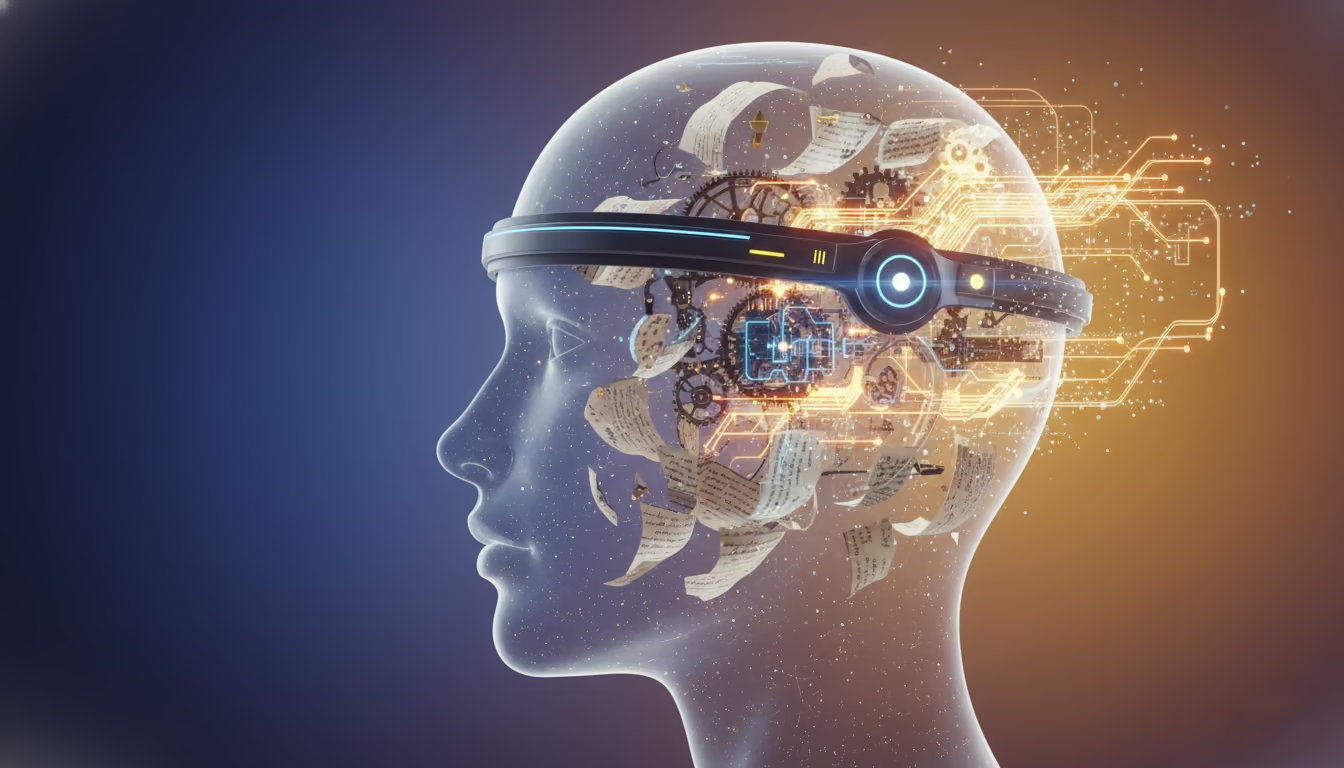
From Notebooks to Neuro-chips
A century ago, psychology meant a quiet room, a notebook, and a conversation. A therapist would lean in, listen closely, and interpret from tone, posture, and pauses.
Today, that same conversation could be happening in an app powered by AI. Your smartwatch might be monitoring your heart rate variability and flagging signs of anxiety before you notice them. A VR headset could be exposing you to your fears in a safe, controlled environment.
The question is no longer if technology belongs in psychology - it's how far it should go and what that means for human understanding.
Why Psychology is at a Tech Crossroads
Psychology has traditionally been a deeply human profession - built on trust, nuance, and connection. It has also been slow to adopt change, relying on human interpretation and self-reported measures.
But the rise of AI, neurotechnology, virtual reality, and data-driven behavioral analysis has pushed the field into uncharted territory.
In India, this shift is even more urgent:
-
The country faces a severe shortage of mental health professionals just 0.75 psychiatrists per 100,000 people compared to the WHO's recommendation of 3.
-
Awareness of mental health has surged post-pandemic, but access remains uneven.
-
Workplaces, schools, and public health systems are seeking scalable, tech-enabled solutions.
Technology is stepping in, not to replace therapists, but to extend the reach and precision of psychological support.
Five Tech Developments Reshaping Psychology
1. AI and Machine Learning in Behavioral Prediction
AI models can now detect patterns in speech, text, and interaction that indicate stress, depression, or burnout.
-
Indian platforms like Wysa and InnerHour use AI-powered chatbots to provide mental health support to millions.
-
These systems adapt responses based on mood shifts, giving personalized, immediate care at scale.
-
Potential: Hyper-personalized interventions in therapy, coaching, and workplace wellness.
2. Neuro technology and Brain-Computer Interfaces (BCIs)
-
Devices like EEG headsets read brainwave activity in real time.
-
Used for cognitive training, attention improvement, and even mood regulation.
-
In India, research labs in IITs and AIIMS are developing low-cost EEG solutions for rural mental health outreach.
-
Potential: Affordable, data-driven diagnosis for conditions like ADHD, PTSD, or dementia.
3. Virtual and Augmented Reality Therapy
-
VR therapy immerses users in controlled environments for phobia treatment, PTSD exposure therapy, or social skills training.
-
AR can help autism interventions by simulating real-world social situations.
-
India has seen adoption in corporate stress management programs and medical education, a growing market segment.
4. Wearables and Biofeedback
-
Smartwatches, fitness bands, and smart rings now track stress, sleep, and recovery patterns.
-
Biofeedback tools teach users to consciously regulate physiological responses like breathing or heart rate.
-
Indian corporates are increasingly integrating wearable-based well-being programs into employee engagement strategies.
5. Digital Twins of the Mind (Emerging)
-
Imagine creating a virtual replica of your behavioral and cognitive profile a "digital twin" to simulate reactions and test interventions.
-
While still experimental, this could transform both therapy and organizational behavioral mapping.
-
Potential: Leaders could model how team changes might impact morale before making a decision.
Opportunities This Unlocks
-
Scalability: One psychologist can support thousands through AI-assisted tools.
-
Early Detection: Subtle changes in language, tone, or sleep can signal problems before they escalate.
-
Personalization: Treatment plans that adapt in real time to your progress.
-
Data-Driven Insight: Objective metrics supplement subjective self-reports.
The Risks and Ethical Crossroads
The more powerful the tool, the greater the risk. Without guardrails, this tech can be used to control rather than support.
-
Data Privacy: Who owns your neural data?
-
Algorithmic Bias: Western-trained AI may misinterpret Indian behavioral norms.
-
Over-Reliance on AI: Risk of losing the human empathy that is central to therapy.
-
Consent: Especially in workplaces, participation must be voluntary and transparent.
In a country still shaping its digital privacy laws, these questions aren't theoretical - they're urgent.
The Indian Lens: Cultural Sensitivity Matters
Western models of behavioral analysis don't always translate to Indian contexts. For example:
-
Direct feedback might signal confidence in one culture but rudeness in another.
-
Eye contact norms vary and could skew AI-powered assessments.
-
Collectivist tendencies may mask individual distress.
If we want ethical, effective psychological technology in India, cultural training data and India-specific model tuning are non-negotiable.
The Future: Three Possible Scenarios
-
The Hybrid Therapist: Part human, part AI, part neurofeedback - where therapy sessions are supported by real-time behavioral metrics.
-
AI Coaches in Workplaces: Virtual coaches that track burnout signals, prompt recovery breaks, and escalate to a human mentor when needed.
-
School-Based Digital Psychology Labs: VR and gamified apps building emotional intelligence in children, reducing bullying and dropout rates.
From Data to Dignity
Technology can extend psychology's reach but the goal should not be to replace the human mind, rather to understand and support it with unprecedented precision.
The next chapter of psychology will be written not only in academic
journals but also in code, algorithms, and wearable devices. The
question for India is clear:
Will we build these tools to watch people, or to truly understand
them?
References
-
Wysa: https://www.wysa.io/
-
InnerHour: https://www.theinnerhour.com/
-
MediBuddy Mental Health Report: https://m.economictimes.com/jobs/hr-policies-trends/majority-of-indian-employees-experience-burnout-due-to-work-related-stress-report/articleshow/111861861.cms
-
WHO India Mental Health Statistics: https://www.who.int/india/health-topics/mental-health
-
IIT and AIIMS EEG Research (example): https://arxiv.org/abs/2106.07341
-
Wired: Bossware and Workplace Surveillance: https://www.wired.com/story/creepy-rise-bossware